
Gucci Breaks the Main Taboo of the Luxury Industry: Why the Fashion House Is Lowering Prices
Gucci Breaks the Main Taboo of the Luxury Industry: Why the Fashion House Is Lowering Prices
In the world of haute couture, it is customary to believe that luxury is immune to conventional business laws. While mass manufacturers fight for customers through cost optimization and price competition, luxury brands have traditionally survived on creativity, exclusivity, and continuous price increases, writes FT.
This is why the crisis-management strategy of parent company Kering under former Renault top executive Luca de Meo, who took the helm of the holding company last September, came as a shock to the industry.
Since de Meo's arrival, Kering shares have risen by a fifth, significantly outperforming the market's main barometer, LVMH. This success was achieved not through mythical designer inspiration, but through strict operational and financial discipline.
The measures taken by the new management would be more fitting for a large supermarket chain, such as Britain's Tesco, than an elite fashion house:
Kering sold its cosmetics assets to L'Oréal for €4 billion and revised its commitments to buy out the remaining 70% stake in Valentino.
The company also closed underperforming boutiques and optimized overhead costs.
.jpg&w=3840&q=75)
Lowering Prices to Save Sales
The main sensation was that Kering directed the freed-up funds not into marketing, but into... lowering prices on a portion of its products.
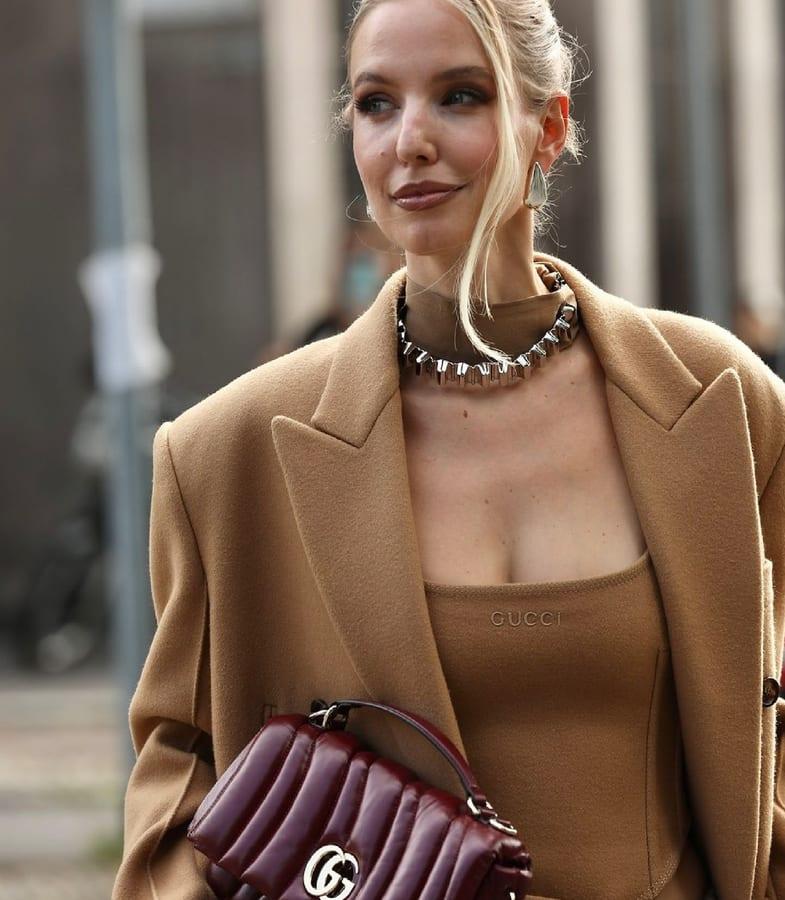
According to Bernstein analysts, at the beginning of May, the price of the popular Gucci Mercato Tote Bag was slashed by 20–25% overnight.
For traditional luxury, this is a taboo. Purists argue that such a strategy has a short shelf life, since brands cannot endlessly cut costs without damaging their reputation.
However, the move appears to have paid off: price cuts helped halt the sales slump in a weak market while simultaneously increasing the company's operating margin.
New Audience and the Trend Toward "Accessible Luxury"
Historically, selling exceptionally expensive products to the super-rich was considered a more reliable business model than targeting the middle class.
However, in the current market, "accessible luxury" is gaining momentum, attracting buyers increasingly discouraged by endless price increases in the ultra-premium segment.
Nevertheless, while the market is weathering a storm, Luca de Meo's pragmatic approach looks unexpectedly fresh — and even avant-garde — for an industry that has traditionally positioned itself above basic economic principles.
By cutting excess costs and attracting new buyers through more accessible pricing, Gucci is expanding its audience at a time when competitors risk losing customers.
The move raises a broader question for the luxury industry: Can more accessible pricing become a tool for protecting growth without undermining exclusivity and brand value?
Source: News.am